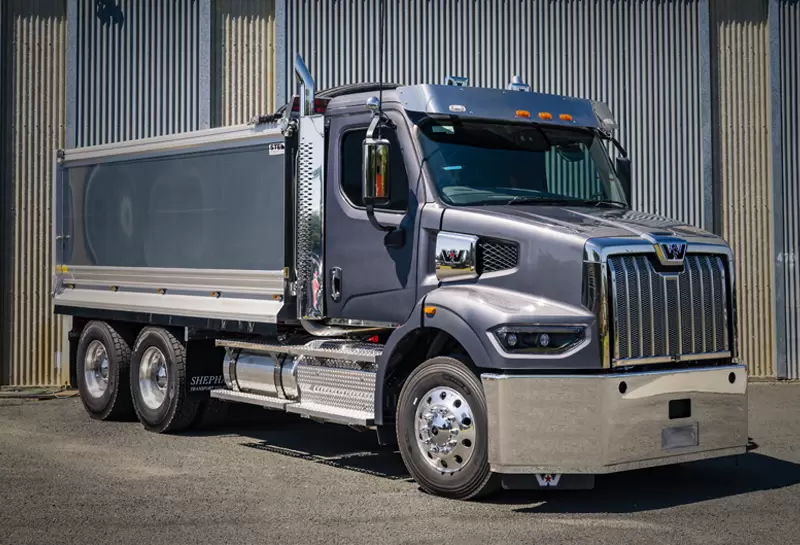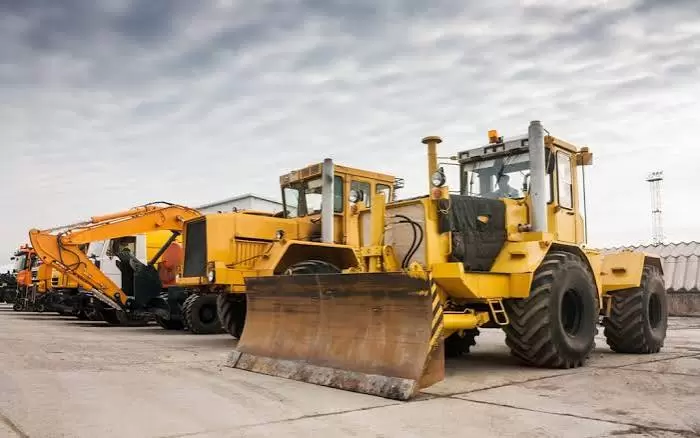
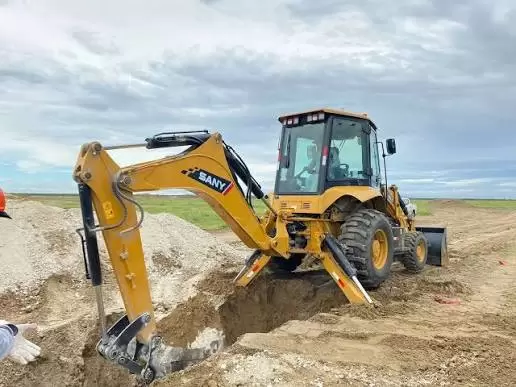
Financing an excavator is a decision about cash flow as much as it is about steel. The right structure keeps your working capital available for wages, fuel and the jobs still to come.
If you run a civil, landscaping or excavation business on the Central Coast, you already know a machine only pays its way when it is working. This guide is for the Gosford operator deciding how to pay for it.
What Is Earthmoving Equipment Finance?
Earthmoving equipment finance is a loan or lease used to buy machines such as excavators, loaders, graders and skid steers, with the machine usually held as security. You repay it over a set term instead of paying the full price up front.
Because the equipment secures the loan, lenders often focus on the machine's age, type and resale value as well as your business income. Depending on your situation and lender, this can mean you do not need to put property up as security. Our equipment finance and asset finance pages explain how these products fit into a wider business funding plan.
Which Finance Structure Suits Your Machine?
The main options are a chattel mortgage, a finance lease and a hire purchase, and the right one depends on how long you plan to keep the machine and how you want to handle the end of the term.
With a chattel mortgage, you own the machine from day one and the lender holds a security interest over it. With a lease, the lender owns it, and you pay to use it. At the end you may return it, refinance it or pay a residual, depending on the contract.
The trade-off is flexibility against ownership. A lower repayment with a large final balloon payment leaves you with a bigger bill at the end of the term. A lease vs buy comparison can help you weigh these up before you commit.
New or Used Earthmoving Equipment: Which Makes Sense?
Both can be financed. Whether new or used suits you comes down to the machine's price, its working hours and condition, and how a lender views its age at the end of the loan term.
Used machines often cost less to buy, but lenders may shorten the term or ask for a larger deposit on older equipment. A newer machine may allow a longer term. It also costs more to buy, so your repayments are likely to be higher.
Ask your broker early about any age limits, because a machine that looks like a bargain can become harder to finance if it is too old by the end of the term.
Ready to get started?
Book a chat with a Finance & Mortgage Broker at Astute Ability Group today.
Equipment Loan Repayments: A Worked Example
Repayments depend on the amount borrowed, the term and the rate, so the most practical way to understand them is to run the numbers on a real scenario.
Consider a Gosford excavation contractor who borrows $120,000 to buy a used excavator over five years. We will use an illustrative rate of 6.75% p.a., not a quoted rate. With no balloon and repayments made monthly, the repayment works out to roughly $2,362 a month, which is about $141,700 over the term.
The contractor has a steady run of drainage and retaining wall work, so the monthly figure fits the expected income from the machine. The contractor also keeps their cash reserves for fuel, wages and servicing instead of tying them up in the purchase. If the machine earns more than the repayments plus its running costs, the finance can be manageable. Total interest in this example is about $21,700, and the machine's income is not certain.
Your own figures will differ depending on your deposit, lender and the machine. Try our asset finance repayment calculator to test different terms and balloon amounts.
How Do Lenders Assess Your Application?
Lenders look at your ability to service the repayments, the machine being purchased and your credit history. The documents they ask for depend on your business structure and the size of the loan.
For established businesses, this usually means recent financial information that shows steady income. If your paperwork is not up to date, you may still have options, and our low doc loans page covers how this can work. The trade-off is that low doc loans often cost more and may need a larger deposit, and terms vary by lender, so ask the lender for the exact conditions.
A broker can present your application so the lender sees the full story, including contracts you have lined up and your history with similar machines.
Tax and Equipment Purchases
Buying equipment can have tax effects, but the outcome depends on your business structure, the asset and the timing, so you should get advice from your accountant before you sign.
Interest and depreciation may be treated differently from the full repayment, and the loan principal itself is not a deduction. Please do not assume a purchase will reduce your tax bill by a set amount. Our tax savings calculator gives a starting point for conversations with your accountant.
Why Work With a Broker on a Gosford Equipment Purchase?
A broker can compare lenders for you and match your machine and business to a lender that understands earthmoving work. A broker can help you target the lenders most likely to approve your application, which may reduce the number of applications and credit enquiries made on your file. Ask your broker how many lenders they expect to approach.
The trade-off is that brokers are often paid commission by lenders and may also charge fees, so ask any broker how they are paid and which lenders they compare. At Astute Ability Group, we believe in building a relationship first, so you get clear advice for the long term. If you are also looking at trucks to move your machines between sites, we can look at truck and trailer loans at the same time. You can also learn more about our local Gosford team.
If you are weighing up an excavator, loader or grader, let us help you work out a structure that keeps your business moving. Call one of our team or book an appointment at a time that works for you.