
A reliable used car gives you transport you can count on without the depreciation hit of buying new.
For many people in Penrith, a dependable second-hand vehicle is the most practical way to get mobile. Whether you're commuting to work in the CBD, shuttling kids between schools and sports, or running a trade business across Western Sydney, you need something that starts every morning and doesn't drain your savings in repairs. The challenge is finding the right vehicle and structuring the finance so the repayments don't stretch you too thin.
The sweet spot for value sits between three and five years old. At this age, most vehicles have absorbed the steepest depreciation but still have enough factory warranty or mechanical life left to avoid constant repair bills. A secured Car Loan lets you spread the cost over a manageable term while keeping ownership from day one, which matters if you need to sell or refinance down the line.
What Makes a Used Car Reliable
Reliability comes down to service history, known mechanical issues for that model, and how the previous owner treated it. A vehicle with full logbook service records from a reputable workshop tells you it's been maintained properly. Missing service stamps or vague explanations about past repairs are red flags.
Certain brands and models have earned reputations for lasting well beyond 200,000 kilometres with minimal fuss. Toyota, Mazda, and Honda consistently rank high for longevity, but individual condition matters more than badge. A well-maintained Korean or European vehicle often outlasts a neglected Japanese one. Before committing, run a PPSR check to confirm there's no outstanding finance or written-off history, and get a pre-purchase inspection from a mechanic who knows that model.
Consider a buyer looking at a five-year-old Mazda CX-5 with 80,000 kilometres. The service history shows regular oil changes and a recent timing belt replacement. The inspection reveals minor wear on brake pads but no structural issues. That's a vehicle likely to run another 150,000 kilometres without major expense. Compare that to a similar-aged SUV with patchy records and deferred maintenance, and the difference in future reliability is stark.
How Secured Finance Works for Used Vehicles
A secured car loan uses the vehicle as collateral, which typically means a lower interest rate than an unsecured personal loan. The lender holds a registered interest in the car until you've paid off the loan amount, so if you default, they can repossess it. That security lets them offer better terms.
Monthly repayment amounts depend on the loan amount, the term you choose, and the interest rate you qualify for. Shorter terms mean higher repayments but less total interest paid. Longer terms reduce the monthly cost but increase what you pay overall. We regularly see buyers in Penrith stretch to a seven-year term for affordability, then find themselves paying off a car long after its practical lifespan has ended.
Ready to chat to one of our team?
Book a chat with a Finance & Mortgage Broker at Astute Ability Group today.
Most lenders require at least a 20% deposit for used vehicles, though some will go lower if your income and credit history support it. A larger deposit reduces the loan amount and often unlocks a lower car finance interest rate. If you're trading in an existing vehicle, that equity can cover part or all of the deposit.
The Pre-Approval Advantage
Getting pre-approved before you start shopping gives you a clear budget and strengthens your negotiating position. You walk into a dealership or private sale knowing exactly what you can afford, and sellers take you more seriously when you're ready to move quickly.
Pre-approval also removes the pressure to accept dealer financing on the spot. Dealerships often present finance as part of the package, but the rates and terms they offer may not be your most competitive option. When you've already secured finance approval elsewhere, you can compare their offer objectively and choose whichever works out cheaper over the life of the loan.
The application process typically takes one to three business days. You'll need proof of income, recent bank statements, identification, and details about the type of vehicle you're looking to purchase. If you're self-employed or have variable income, a broker can help structure the application to present your borrowing capacity clearly to lenders.
Where Penrith Buyers Find Value
The used car market around Penrith offers plenty of options, from larger dealerships along Mulgoa Road to smaller yards and private sales. Dealerships provide some consumer protection and often include a statutory warranty, but you'll pay a premium for that peace of mind. Private sales can offer better value if you know what to look for and are comfortable handling the paperwork yourself.
Many families in the area look for practical vehicles that suit Western Sydney conditions. Seven-seater SUVs, dual-cab utes, and medium sedans dominate the local market. The terrain around Penrith, from suburban streets to semi-rural pockets near the Nepean River and into the lower Blue Mountains, means buyers often want something with decent ground clearance and enough power to handle hills without struggle.
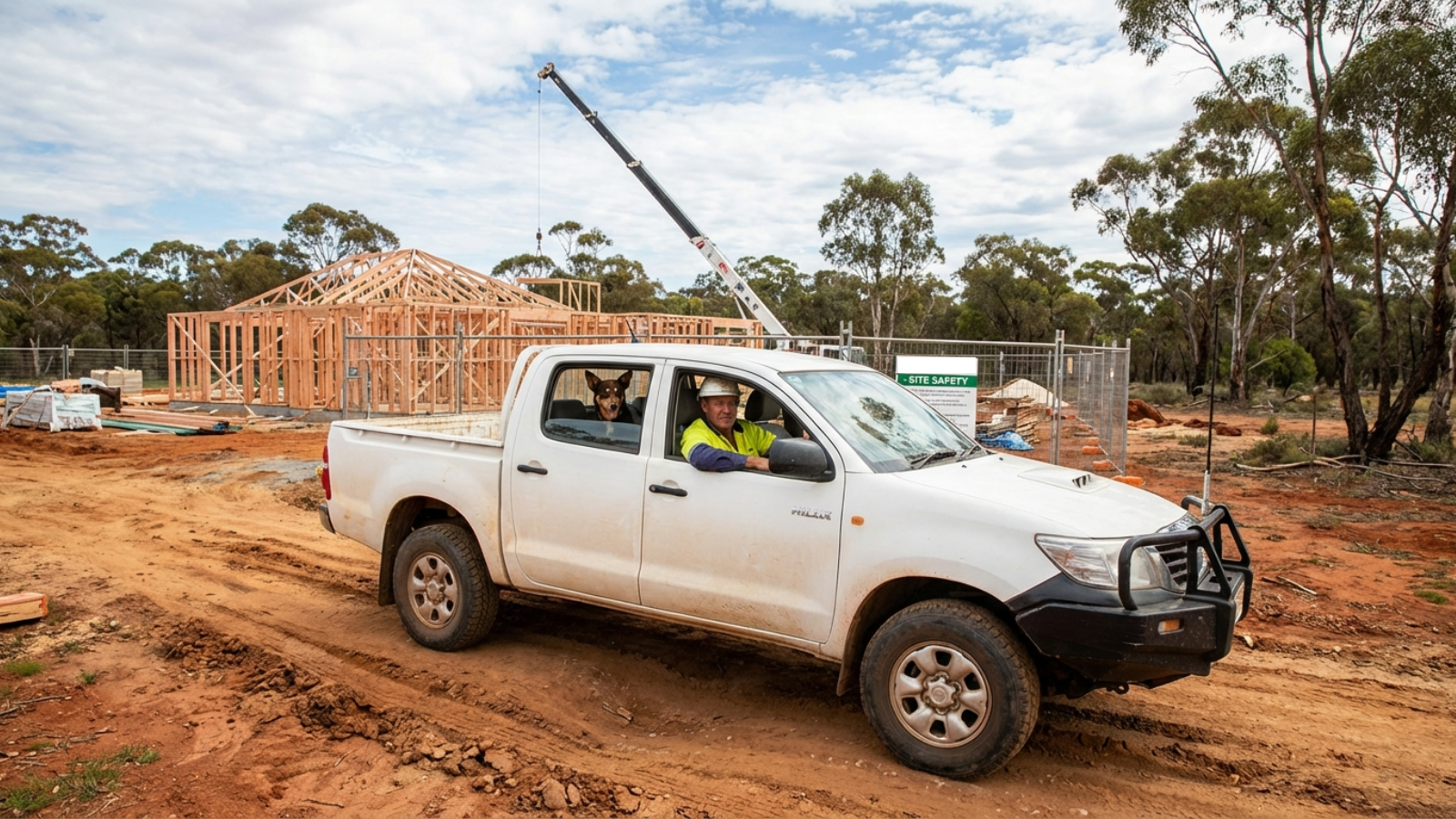
In a scenario like this, a tradie based in Kingswood needs a dual-cab ute to carry tools and materials between job sites. They find a four-year-old Ford Ranger with 65,000 kilometres, priced at the current market rate for that model and condition. A secured Car Loan covers the purchase, with repayments structured over five years to keep the monthly cost manageable alongside business expenses. The vehicle's tray and towing capacity mean it earns its keep immediately, and the known reliability of that engine and transmission reduces downtime risk.
Refinancing When Circumstances Change
If you've already got a car loan but the interest rate is higher than what's available now, or your financial situation has improved since you first borrowed, refinancing might reduce your repayments or shorten the loan term. Car loan refinance works similarly to refinancing a home loan - a new lender pays out your existing debt and you start fresh with new terms.
Refinancing makes sense when you can secure an interest rate at least 1% lower than your current rate, or when you want to restructure the loan to pay it off faster. Some lenders charge exit fees, so factor those into your calculations before switching. A broker can run the numbers and confirm whether refinancing genuinely saves you money or just shifts the cost around.
Avoiding Common Financing Mistakes
One mistake we see often is buyers focusing only on the monthly repayment without considering the total cost. A longer loan term reduces the monthly amount but can mean paying thousands more in interest over time. Another is adding too many extras to the loan - insurance premiums, extended warranties, and accessories all increase the amount you're borrowing and therefore the interest you'll pay.
Balloon payments can look appealing because they lower your regular repayments, but you'll need a lump sum at the end of the term or you'll be refinancing that amount. Unless you have a clear plan for where that money will come from, a balloon payment just defers the problem.
Buying more car than you need is the third common trap. A vehicle that pushes your borrowing capacity to the limit leaves no buffer for other expenses or changes in income. If the repayments are tight from day one, any disruption to your earnings puts you at risk of default.
Call one of our team or book an appointment at a time that works for you. We'll help you structure finance that fits your budget and gets you into a vehicle that'll still be running reliably years from now.