
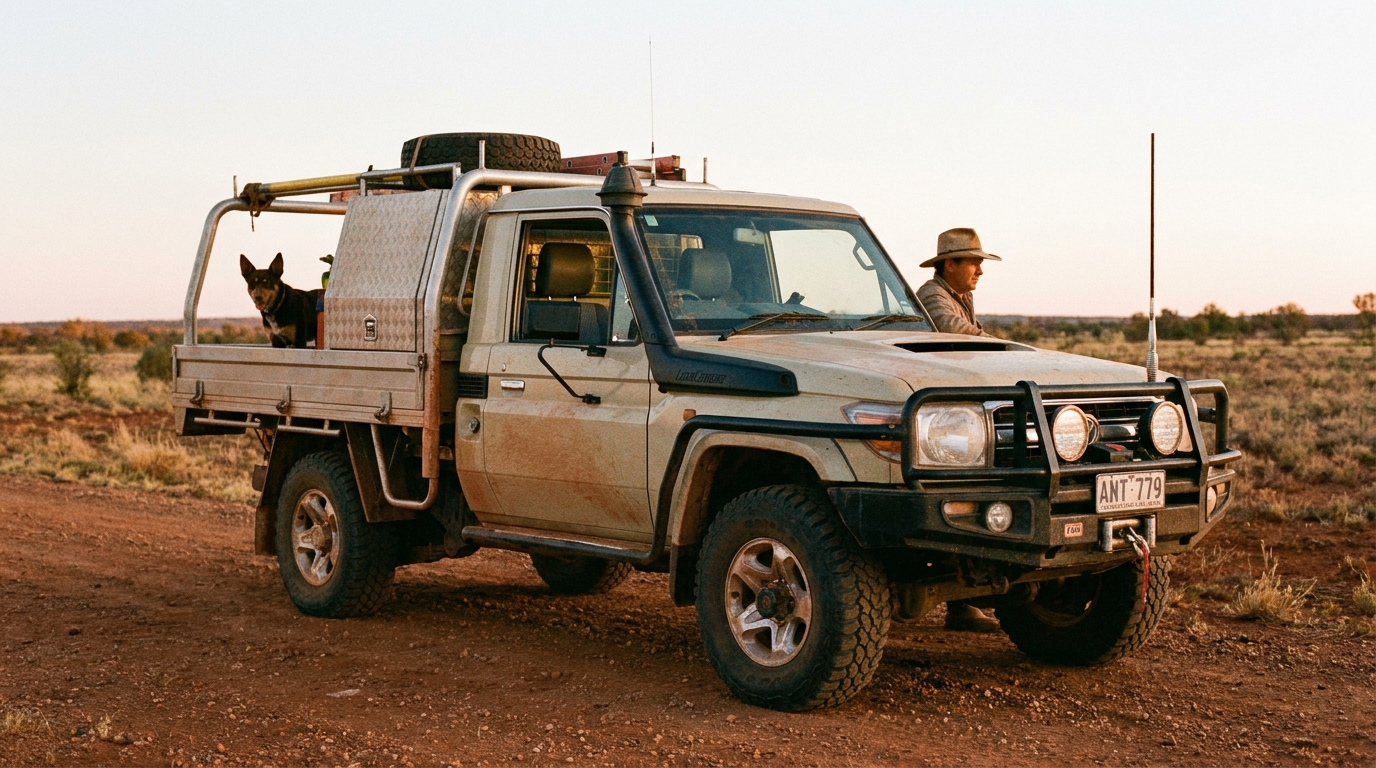
A ute isn't just transport in Taree. It's how you get to job sites across the Manning Valley, carry tools between Wingham and Forster, or pick up supplies from the local trade outlets on Muldoon Street. Getting the finance structure right means you can afford the vehicle you need without overcommitting your cashflow.
The single most useful decision you'll make is choosing whether to structure your ute finance as a secured car loan, asset finance, or a business loan. That choice determines your interest rate, your tax position, and how much flexibility you have if circumstances change.
Secured Car Loans vs Asset Finance for Your Ute
A secured car loan uses the ute as security, which typically delivers a lower interest rate than an unsecured personal loan. If you're buying the ute for personal use or as a sole trader without complex tax structures, a secured car loan is usually the most direct option. The loan amount is based on the vehicle's value, your income, and your existing commitments.
Asset finance, on the other hand, is designed for business use and comes with different tax treatment. If you're running a registered business and the ute will be used primarily for work purposes, asset finance may allow you to claim depreciation and interest as deductions. The finance approval process considers your business financials rather than just personal income, which can work in your favour if your business has solid cashflow but your personal tax returns don't reflect the full picture.
Consider a sole trader electrician in Taree who's buying a dual-cab to replace an ageing sedan. If they structure it as a car loan in their own name, repayments come from after-tax income. If they structure it through their business as asset finance, they can claim the interest and potentially use instant asset write-off provisions depending on the loan amount and the vehicle's cost. The monthly repayment might be similar, but the after-tax cost is very different.
How Lenders Assess Your Ute Finance Application
Lenders look at three things: your income, your existing debts, and the vehicle itself. For a car loan application, they'll verify your employment or business income, check your credit file, and assess whether the monthly repayment is sustainable alongside your mortgage, personal loans, or credit cards. If you're self-employed or a tradie, some lenders will accept bank statements or BAS statements instead of traditional payslips, which matters when your income fluctuates seasonally.
The vehicle's age and type also influences finance approval. A new ute or one that's under five years old will generally qualify for a longer loan term and a lower interest rate than an older model. Some lenders won't finance vehicles over ten years old at all, or they'll reduce the loan-to-value ratio. If you're buying a used ute privately rather than through a dealer, expect the lender to require a valuation or inspection before they release funds.
In our experience, clients around Taree often underestimate how much their existing debts affect their borrowing capacity. A $15,000 personal loan with two years remaining can reduce what you qualify for by $30,000 or more, depending on the lender's assessment. If you're carrying older debts that no longer serve a purpose, it's worth considering debt consolidation before applying for vehicle financing.
Ready to chat to one of our team?
Book a chat with a Finance & Mortgage Broker at Astute Ability Group today.
Balloon Payments and How They Affect Your Repayments
A balloon payment is a lump sum due at the end of the loan term, and it reduces your monthly repayment during the life of the loan. If you choose a 30% balloon on a five-year loan, you'll pay less each month but owe a significant amount at the end. This structure works well if you plan to trade the ute in before the balloon is due, or if you expect a tax refund or business income that will cover the final payment.
The risk is that the ute's value might be lower than the balloon payment when the term ends, leaving you with a shortfall to refinance or pay out of pocket. This is particularly relevant for utes that rack up high kilometres on rural properties or across the Mid North Coast, as depreciation can be faster than expected. Before committing to a balloon payment, consider whether you'll realistically be able to refinance that amount or whether you'd prefer the certainty of owning the vehicle outright at the end of the term.
Refinancing Your Ute Loan When Circumstances Change
If your current ute loan has a higher interest rate than what's available now, or your financial situation has improved since you first borrowed, refinancing your car loan can reduce your monthly repayment or shorten your loan term. This is particularly relevant if you took out finance when interest rates were higher or when your credit file was less favourable.
Refinancing also makes sense if you need to access equity in the vehicle for other purposes, or if you want to roll multiple debts into a single monthly repayment. Some clients refinance their ute loan into their home loan to take advantage of lower mortgage rates, though this extends the repayment period and increases the total interest paid unless you maintain higher repayments.
As an example, a builder in Taree who financed a ute three years ago at 9.5% might now qualify for a rate closer to 7% with a different lender. On a remaining balance of $25,000, that could reduce monthly repayments by $50 to $70, depending on the term. Over two years, that's a meaningful saving that could go toward tools, insurance, or other business expenses.
Business Car Loans and Tax Considerations for Tradies
If you're a tradie or small business owner, structuring your ute as a business car loan or through asset finance changes how you can claim expenses. Interest on the loan, registration, insurance, and running costs are all potentially deductible if the vehicle is used for business purposes. The Australian Taxation Office allows you to claim based on either a logbook method or the cents-per-kilometre method, and your finance structure should align with whichever approach you're using.
For utes over the luxury car tax threshold used solely for business, you may still be limited in how much you can claim for depreciation, so it's worth discussing your specific situation with your accountant before finalising the loan. If you're buying a ute that will be used partly for personal trips and partly for work, the logbook method gives you a clearer deduction, but it requires you to keep records for at least 12 weeks.
Tax treatment alone shouldn't dictate your finance choice, but it's a significant factor when you're deciding between a personal secured car loan and a business loan structure. The difference in after-tax cost can be several thousand dollars over the life of the loan.
Working with a Broker to Access Multiple Lenders
Most car dealers offer finance on the spot, but dealer financing often comes from a single lender or a panel with limited flexibility. When you work with a finance broker, you get access to car loan options from banks and lenders across Australia, which means you're more likely to find a structure that fits your income type, deposit size, and repayment preferences.
Brokers can also help if your situation doesn't fit a standard lending policy. If you're self-employed, have a casual income, or recently changed jobs, some lenders will decline your application outright while others will assess it based on alternative documentation. A broker who understands self-employed loans and low doc loans can match you with the right lender from the start, rather than you applying multiple times and collecting declines on your credit file.
For clients around Taree, working with a local broker means someone who understands the regional employment mix, the types of vehicles commonly financed, and how lenders treat seasonal income from industries like agriculture, construction, and tourism. That local knowledge makes a tangible difference when your application is being assessed.
Buying a ute is a significant decision, and the finance structure should support how you use the vehicle, not limit it. Whether you're after a new dual-cab for your building business or a reliable secondhand ute for farm work, the right loan gives you the flexibility to get on with what matters without overcommitting your income. Call one of our team or book an appointment at a time that works for you, and we'll help you compare your options and find a solution that fits your situation.