
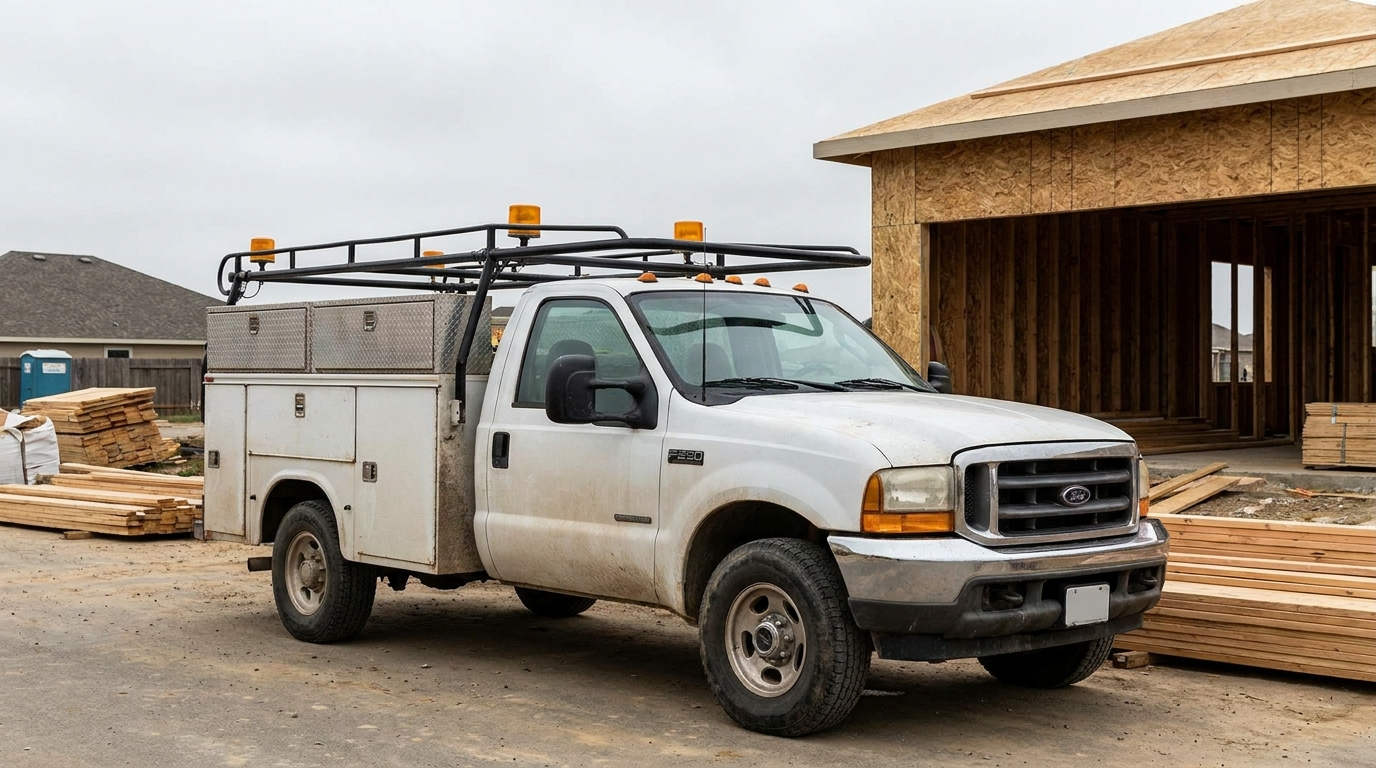
Financing a work vehicle through structured lending keeps cash in your business where it can work harder.
A plumber in Wyong recently needed to replace an aging van that was costing more in repairs than it was worth. Rather than draining $45,000 from working capital, they chose a chattel mortgage with a 20% balloon payment. The result was lower monthly commitments, immediate tax deductions, and enough cash retained to take on a commercial fit-out job that returned significantly more than the vehicle would have cost outright.
That outcome highlights why structured asset finance exists. When you tie up working capital in a depreciating asset, you limit what your business can do next. The right vehicle finance structure preserves cash, aligns repayments with how the asset earns income, and delivers tax treatment that reduces the true cost of ownership.
The Chattel Mortgage: Ownership From Day One
A chattel mortgage gives you immediate ownership of the vehicle while the lender holds security over it until the loan is repaid. You claim depreciation and GST on the purchase price, and your repayments include both principal and interest. The lender registers a charge on the Personal Property Securities Register, which is removed once you've made the final payment.
Consider a landscaper purchasing a dual-cab utility and trailer combination. Under a chattel mortgage, they can claim the full GST as an input tax credit in the first Business Activity Statement, deduct depreciation, and deduct the interest component of each repayment. If they structure the loan with a balloon payment at the end, monthly repayments stay lower, which helps when income is seasonal or project-based. At the end of the term, they can pay out the balloon, refinance it, or trade the vehicle and use the sale proceeds to cover the remaining amount.
Ready to chat to one of our team?
Book a chat with a Finance & Mortgage Broker at Astute Ability Group today.
Hire Purchase: Ownership at the End, Not the Start
With hire purchase, the lender owns the vehicle until you make the final payment. You're effectively hiring the vehicle with an obligation to buy it. Once the term ends and all payments are made, ownership transfers to you.
The trade-off is in tax treatment. You can't claim the GST upfront because you don't own the vehicle initially. Instead, you claim GST on each repayment as it's made. Depreciation works the same way once the lender transfers ownership, but the delay means your tax position is less immediate than with a chattel mortgage.
Hire purchase works well when a business wants fixed monthly commitments without the obligation to manage a balloon payment, or when the lender's credit criteria favour this structure. It's common in industries like construction where equipment is used hard and replaced on a set cycle.
Balloon Payments: Lower Repayments With a Lump Sum at the End
A balloon payment is a lump sum due at the end of your loan term, typically between 10% and 50% of the vehicle's original value. By deferring part of the loan amount, your monthly repayments reduce, which can improve cashflow during the loan term.
The challenge is having a plan for that final payment. Some businesses save progressively, others refinance the balloon into a new loan, and some trade the vehicle and use the sale price to cover the outstanding amount. If the vehicle's market value at the end of the term is less than the balloon, you'll need to cover the shortfall.
Balloon payments suit businesses with uneven income, seasonal revenue, or those confident the vehicle will retain value. They don't suit every situation, and the decision should reflect how the vehicle will be used and how your business manages cash.
Tax Benefits: Depreciation and Interest Deductions
When you finance a work vehicle, the Australian Taxation Office allows you to claim depreciation on the vehicle's decline in value and deduct the interest portion of your repayments. If you're registered for GST and purchase under a chattel mortgage, you can claim the GST paid as an input tax credit.
Depreciation rates vary depending on the type of vehicle. Most commercial vehicles fall under the general depreciation rules, though some can be written off more quickly under instant asset write-off provisions if they meet eligibility criteria. The deductions reduce your taxable income, which lowers the effective cost of the vehicle over time.
The tax treatment is one reason finance can be more appealing than paying cash. A builder purchasing a truck or trailer financed at current variable rates may find the after-tax cost of the loan is lower than the opportunity cost of pulling cash out of the business.
What Happens When You Finance Through a Dealer
Dealer finance is arranged at the point of sale, often with same-day approval and minimal paperwork. It's convenient, but the rate you're offered may not reflect the best available option across the market. Dealers work with a panel of lenders, and the commission structure can influence which product is presented.
That doesn't mean dealer finance is always expensive, but it does mean you're working within a narrower range of options. If you're purchasing in Wyong and comparing offers, it's worth understanding what rate and structure you could access independently before committing at the dealership. In some cases, dealer finance is competitive. In others, accessing the broader market delivers better terms.
Managing Cashflow and Equipment Upgrades
One advantage of financing rather than purchasing outright is the ability to align repayments with the income the vehicle generates. A courier business using a van to service contracts around Tuggerah and the Central Coast can match loan repayments to monthly contract revenue, rather than depleting cash reserves upfront.
Financing also creates a predictable upgrade cycle. At the end of the loan term, you can trade the vehicle, refinance, or pay it out. If the vehicle is still under warranty and low in kilometers, you have options. If it's been worked hard and requires replacement, you're not locked into keeping it beyond its useful life.
That flexibility is valuable in industries where vehicles are exposed to heavy use or where business needs change. A tradie moving from residential to commercial work may need a larger vehicle. Financing on a three- to five-year term means you're not holding a depreciated asset that no longer suits the business.
When Paying Cash Makes More Sense
Finance isn't the right choice for every vehicle purchase. If your business has surplus cash, no immediate need for working capital, and the vehicle is inexpensive, paying outright avoids interest costs and simplifies the transaction.
The calculation depends on what else that cash could do. If you're turning down work because you lack operating capital, or if you're paying higher rates on an existing overdraft, financing the vehicle and keeping cash available may deliver a better return. If the cash is sitting idle and you have no other use for it, paying outright can make sense.
The decision also depends on how quickly the vehicle will depreciate and whether you're likely to upgrade before the loan term ends. For high-turnover fleet purchases, structured finance with a planned replacement cycle often works better than outright ownership.
Choosing the Right Structure for Your Situation
The structure that works depends on your business type, how the vehicle will be used, your tax position, and whether you need to preserve working capital. A chattel mortgage suits most businesses purchasing a vehicle they'll own and use for several years. Hire purchase works when ownership at the start isn't necessary and fixed commitments are preferred. A balloon payment reduces monthly costs but requires planning for the final lump sum.
We regularly work with Wyong-based businesses purchasing everything from single utilities to small fleets, and the right structure varies every time. What matters is understanding your cashflow, how the vehicle earns income, and what your business needs over the next few years. Call one of our team or book an appointment at a time that works for you.
Frequently Asked Questions
What is the difference between a chattel mortgage and hire purchase?
A chattel mortgage gives you immediate ownership of the vehicle with the lender holding security, allowing you to claim GST and depreciation from day one. Hire purchase means the lender owns the vehicle until the final payment, and you claim GST on each repayment as it's made.
Can I claim tax deductions when financing a work vehicle?
Yes, you can claim depreciation on the vehicle's decline in value and deduct the interest portion of your repayments. If registered for GST and using a chattel mortgage, you can also claim the GST paid as an input tax credit.
What is a balloon payment and when does it make sense?
A balloon payment is a lump sum due at the end of your loan term, typically 10% to 50% of the vehicle's value, which lowers your monthly repayments. It suits businesses with uneven income or those confident the vehicle will retain value, but requires a plan to pay, refinance, or trade at the end.
Is dealer finance the most suitable option for purchasing a work vehicle?
Dealer finance offers convenience and quick approval, but the rate may not reflect the most suitable option across the broader market. Comparing what you could access independently before committing at the dealership can help you secure stronger terms.
When should I pay cash instead of financing a work vehicle?
Paying cash makes sense if your business has surplus funds with no immediate need for working capital and the vehicle is inexpensive. If that cash could deliver a higher return elsewhere in your business, financing may be the stronger choice.