
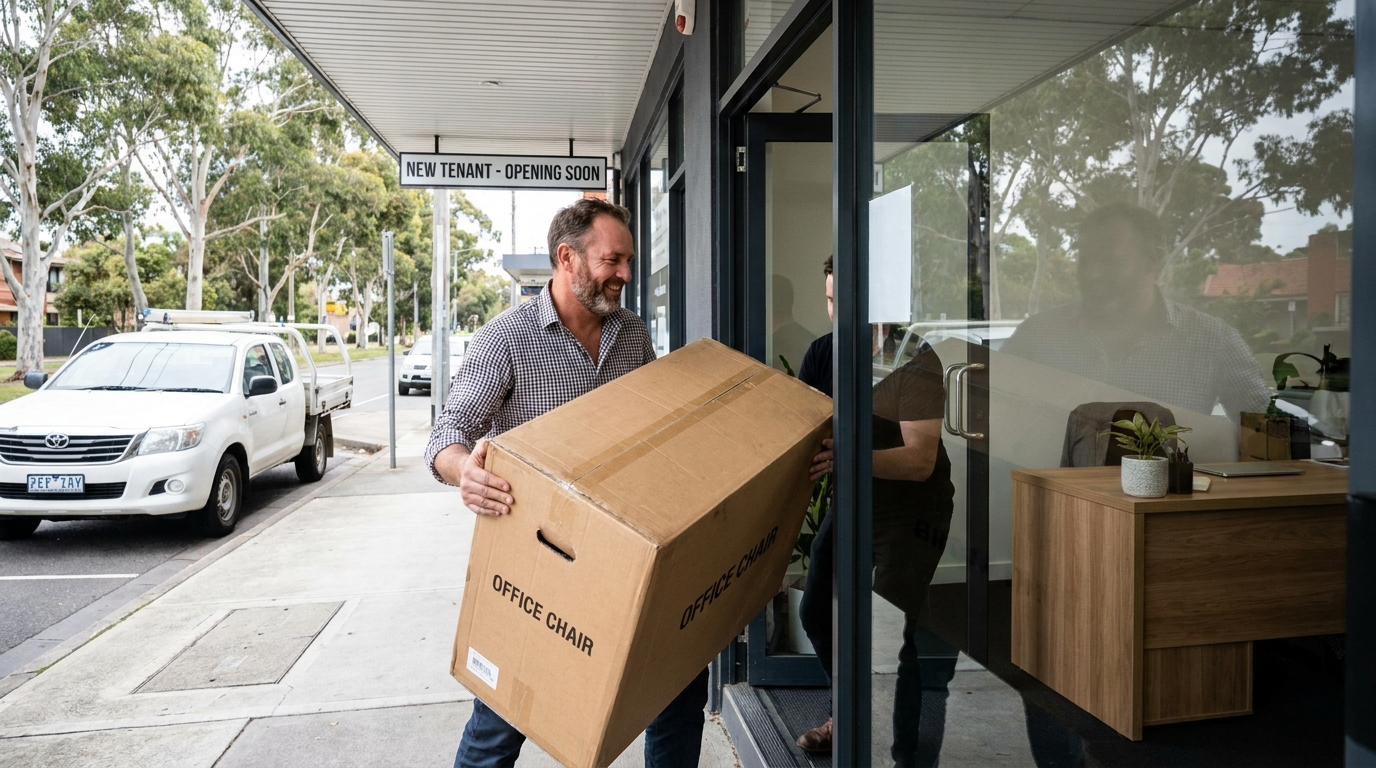
No deposit equipment finance lets you acquire machinery, vehicles, or technology without putting cash down upfront.
For businesses operating in Parramatta's manufacturing hubs along Silverwater Road or service providers working from Church Street, this means you can install automation equipment, upgrade IT systems, or add work vehicles to your fleet while keeping working capital intact for wages, stock, or unexpected costs.
How No Deposit Equipment Finance Works
No deposit equipment finance covers the full purchase price of the asset through a loan or lease arrangement. You make fixed monthly repayments over an agreed term, and the equipment itself serves as collateral. The lender holds a security interest in the asset until the loan is repaid.
Under a chattel mortgage, you own the equipment from day one and claim depreciation as a tax deduction. The interest component of your repayments is also tax deductible. At the end of the term, there's often a balloon payment due, which keeps monthly repayments lower throughout the loan.
With a hire purchase, the lender owns the equipment during the life of the lease, and ownership transfers to you after the final payment. This structure can suit businesses that want to keep the asset off their balance sheet initially.
The Advantage: Preserving Cashflow for Operations
The clearest benefit is keeping your cash available for operating expenses. Consider a Parramatta-based food processing operation that needs a $120,000 packaging line to meet increased demand. Paying that amount upfront would drain reserves needed for ingredient purchases and payroll. Financing the full amount means the packaging line generates revenue from week one while cash remains available for day-to-day costs.
This approach to equipment finance also allows businesses to acquire the latest technology without waiting to save. A fabrication workshop in the industrial precincts near the M4 might need CNC machinery to stay competitive on turnaround times. Delaying that purchase by twelve months to build cash reserves could mean losing contracts to faster competitors.
The Risk: Higher Total Cost Over Time
Financing the full loan amount without a deposit increases the interest you pay over the term. The larger the financed amount, the more interest accrues. A $100,000 truck financed at 7% over five years costs roughly $18,500 in interest. The same truck with a $20,000 deposit reduces the financed amount to $80,000 and cuts interest to around $14,800.
You're also immediately in a negative equity position. If the equipment depreciates faster than you repay the loan, you owe more than the asset is worth. This becomes a problem if you need to sell the equipment early or refinance. Excavators and dozers often hold value well, but computer equipment or printing equipment can lose value quickly as newer models arrive.
Ready to chat to one of our team?
Book a chat with a Finance & Mortgage Broker at Astute Ability Group today.
Lender Criteria for No Deposit Approvals
Lenders assess your capacity to service the debt without a deposit by looking at trading history, cash flow statements, and your business credit file. Most want to see at least two years of profitable trading and evidence that monthly revenue comfortably covers the proposed repayment.
For newer businesses or those with limited trading history, the equipment type matters. A lender will be more confident approving no deposit finance for a truck or trailer that holds resale value than for specialised machinery with a narrow buyer pool. If you're a sole trader or recently established business, you might be asked for a director's guarantee or additional security.
Some lenders cap the loan amount for no deposit deals at $150,000 or $200,000, particularly for asset types that depreciate quickly. Above that threshold, they typically want at least 10% to 20% down.
Tax Treatment and Cashflow Timing
Equipment acquired through a chattel mortgage or hire purchase qualifies for instant asset write-off provisions if it meets the eligibility criteria. For many Parramatta businesses, this means the full cost of plant and equipment can be claimed as a tax deduction in the year of purchase, creating a significant tax benefit that offsets some of the interest cost.
The deduction doesn't put cash back in your account immediately. It reduces your taxable income, which lowers your tax bill at the end of the financial year. The timing matters if you're managing cashflow month to month. Fixed monthly repayments start immediately, but the tax benefit arrives when you lodge your return.
If you're financing work vehicles, industrial equipment, or automation equipment, confirm with your accountant which deductions apply to your structure before committing to the finance. The tax benefit is real, but it's not a substitute for affordable repayments.
What Happens When Revenue Drops
No deposit finance leaves you fully exposed if revenue falls. You don't have the buffer that a deposit creates. If repayments become unaffordable, the lender can repossess the equipment, sell it, and pursue you for any shortfall between the sale price and the outstanding loan balance.
In a scenario like this: a Parramatta logistics business finances three vans with no deposit to service new contracts. Six months later, a major client shifts to another provider. Revenue drops by 30%, and the monthly repayments on the vans become difficult to meet. The vans have depreciated, so selling them wouldn't cover the outstanding debt. The business either needs to find replacement income quickly or negotiate with the lender to restructure the loan.
This differs from paying cash upfront. If you own the equipment outright and revenue drops, you can sell it without owing anything to a lender. The loss is limited to the depreciation.
When No Deposit Finance Makes Sense
No deposit deals work when the equipment generates immediate income that covers the repayment. A courier service adding a truck that brings in $4,000 per month in new revenue can justify a $1,200 monthly repayment. The numbers close, and the business grows.
They also suit businesses with lumpy revenue that need to preserve cash for lean periods. Seasonal businesses like agricultural contractors or event suppliers often face months with low income. Keeping $50,000 in the bank instead of spending it on a tractor or material handling equipment means they can cover wages and overheads when work slows.
But if the equipment doesn't generate immediate revenue or if repayments stretch your cashflow, waiting and saving a deposit reduces risk. A 20% deposit might delay the purchase by six months, but it also cuts your monthly repayment and gives you a buffer if conditions change.
Comparing Lenders and Flexibility
Not all no deposit equipment finance is structured the same way. Some lenders allow early repayment without penalties, which lets you reduce the total interest cost if cashflow improves. Others lock you into the full term and charge exit fees if you repay ahead of schedule.
Balloon payments vary widely. A 30% balloon might suit a business that plans to trade the equipment in at the end of the term, but it also means you're paying less principal during the loan. If you want to own the asset outright, a lower balloon or no balloon structure might cost more per month but leaves you with no final lump sum.
Working with a broker who has access to business loans and asset finance options from banks and lenders across Australia means you can compare structures, interest rates, and flexibility before committing. The difference between a 6.5% rate and an 8% rate on a $100,000 loan is roughly $3,000 over five years.
If your business is ready to acquire machinery, vehicles, or technology and you're weighing up whether to finance the full amount or wait to build a deposit, call one of our team or book an appointment at a time that works for you. We'll run the numbers, show you what different lenders offer, and help you choose a structure that fits your cashflow and long-term goals.