
What Plant Equipment Finance Actually Covers
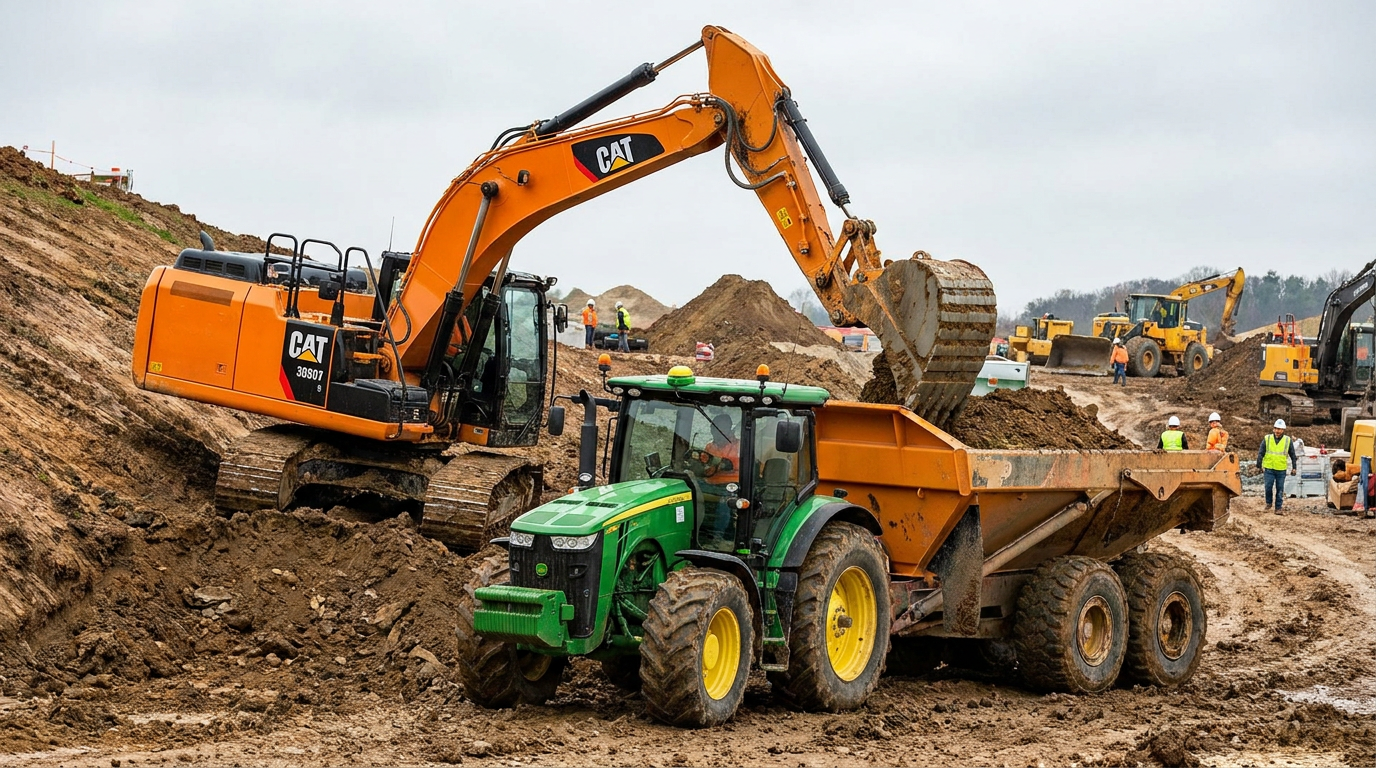
Plant equipment finance is a funding structure designed to help you acquire heavy machinery and construction equipment without paying the full purchase amount upfront. This includes excavators, graders, cranes, dozers, tractors, and trailers, along with other specialised machinery used in construction, earthmoving, agriculture, and transport.
For businesses operating around Blacktown, where construction activity remains strong near the Westpoint precinct and industrial estates along Woodstock Avenue, this type of funding makes it possible to take on larger contracts without tying up capital in machinery purchases. The equipment itself serves as collateral, which means lenders can often approve larger loan amounts than they would for unsecured finance.
The structure works because the asset you're buying secures the loan. If you're funding a $120,000 excavator, that machine becomes the security. You make fixed monthly repayments over an agreed term, typically between two and seven years depending on the equipment's expected working life. At the end of the term, you own the asset outright or refinance a balloon payment if one was included in the contract.
Chattel Mortgage for Machinery Purchases
A chattel mortgage is one of the most common structures for purchasing plant equipment. You borrow the full amount, own the equipment from day one, and the lender registers a mortgage over it until the loan is repaid.
This structure works well when you need to claim depreciation and offset the interest as a business expense. Consider a landscaping contractor in Blacktown who needs a $95,000 tractor with attachments. Under a chattel mortgage, they own the tractor immediately, claim the GST back on the purchase price, and depreciate the asset according to the relevant tax schedule. Monthly repayments remain fixed, and if they choose a 20% balloon payment, those repayments stay lower across the term, with the residual amount due at the end or refinanced into a new agreement.
The tax benefits here are substantial. You can deduct the interest portion of each repayment and claim depreciation on the asset's value, which reduces taxable income. For equipment with a short upgrade cycle, this structure allows you to preserve capital while still accessing the latest machinery.
Hire Purchase When You Want Ownership Without Complexity
Hire purchase operates differently. The lender owns the equipment until the final payment is made. You use the machinery throughout the term and gain ownership once the last repayment clears.
This structure suits businesses that want fixed repayments and eventual ownership but don't need to claim depreciation during the finance term. For a civil contractor funding two tipper trucks at $80,000 each, hire purchase provides certainty. The monthly cost is known from the start, the equipment is in use from day one, and ownership transfers automatically at the end without a balloon payment to manage.
One advantage is that hire purchase agreements often involve less documentation than a chattel mortgage, because the lender retains ownership until the term ends. The trade-off is that you can't claim depreciation, though you can still deduct the interest component of each repayment as a business expense.
Ready to chat to one of our team?
Book a chat with a Finance & Mortgage Broker at Astute Ability Group today.
Equipment Leasing When You Need Flexibility
Leasing is structured around use rather than ownership. A finance lease allows you to use the equipment for an agreed period, make regular payments, and either purchase the asset at the end for a residual amount or return it and upgrade to newer machinery.
This works well for equipment that needs replacing every few years due to technology changes or heavy wear. In a scenario where a Blacktown-based demolition company needs a $150,000 crane but expects to upgrade within five years, a finance lease with a residual value keeps monthly payments lower. At the end of the term, they can pay the residual and keep the crane, refinance that amount, or hand it back and lease a newer model.
An operating lease is another option, where the lease term is shorter than the equipment's useful life and you return the asset at the end. This suits businesses that want to avoid ownership risk and prefer predictable payments without worrying about resale value. The downside is that you don't build equity in the machinery, and lease payments can be higher than loan repayments for the same equipment.
How Balloon Payments Affect Monthly Cashflow
A balloon payment is a lump sum due at the end of the finance term. It reduces your monthly repayments by deferring a portion of the loan amount until the contract finishes.
For plant equipment, balloon payments typically range from 20% to 40% of the purchase price, depending on the asset type and term length. If you're financing a $200,000 grader over five years with a 30% balloon, you're deferring $60,000 to the end of the term. This lowers the monthly repayment, which helps manage cashflow during the life of the lease.
The challenge is that you need to plan for that final payment. Some businesses refinance the balloon into a new agreement, others sell the equipment and use the proceeds to cover the residual, and some pay it from accumulated cashflow. The decision depends on whether the equipment still has strong resale value and whether you need to upgrade or continue using the same machinery. For equipment with a long working life, like a dozer or excavator, refinancing the balloon is common. For machinery that depreciates quickly, selling and upgrading often makes more sense.
Accessing Lenders Who Understand Heavy Machinery
Not all lenders fund plant equipment the same way. Some specialise in construction and earthmoving, others focus on transport and logistics, and a few have specific policies around equipment age, condition, and resale value.
Working with a broker who has access to asset finance options from banks and lenders across Australia means you're not limited to one lender's policy or rate structure. If you're buying a used excavator, some lenders cap the equipment age at ten years, while others will fund older machinery if it's been well maintained and has verifiable service history. If you're purchasing through a dealer, vendor finance might be available, but the rate and terms need comparing against what a bank or specialist lender can offer.
For commercial vehicle finance, including trucks, trailers, and tippers used alongside plant equipment, having a broker compare multiple lenders ensures you're not paying more than necessary or accepting a structure that doesn't suit your business needs. The same applies to other equipment finance requirements, whether that's factory machinery, office equipment, or technology upgrades.
GST Treatment and Deposit Requirements
Most lenders will fund up to 100% of the equipment's purchase price, though some require a deposit depending on the asset type and your business's financial position. If you're an established contractor with two years of financials, full funding is common. If you're a newer business or buying used equipment, a 10% to 20% deposit might be required.
GST is typically included in the loan amount, and if you're registered for GST, you claim that back in your next Business Activity Statement. This means your actual out-of-pocket amount is lower than the funded sum, which improves your effective borrowing cost. For a $110,000 excavator, the GST component is $10,000. You borrow the full amount, pay GST to the seller, then claim $10,000 back from the ATO. Your net position is a loan of $100,000 plus interest, rather than the full purchase price.
Understanding this upfront means you can structure your cashflow around the actual cost rather than the invoice amount. It's a detail that makes a material difference when you're funding multiple pieces of equipment or managing business loans alongside property and working capital commitments.
When to Upgrade Rather Than Repair
Equipment reaches a point where ongoing repairs cost more than upgrading. Knowing when that point arrives is part of managing your asset base.
For plant equipment, factors include the machine's service history, parts availability, downtime frequency, and whether the equipment still meets current safety or emissions standards. If you're spending $15,000 annually on repairs for a ten-year-old excavator, and a new model costs $140,000, the payback period on upgrading might be three to four years through lower maintenance costs and improved fuel efficiency.
Financing the upgrade through a chattel mortgage or finance lease spreads that cost across the equipment's working life, rather than forcing a lump sum purchase that drains working capital. You can time the upgrade to align with contract renewals or seasonal demand, which means the new machinery starts generating income immediately rather than sitting idle while you wait for work.
For businesses managing multiple vehicles and machinery, staggering upgrades across different years keeps monthly commitments stable and avoids a situation where several assets need replacing simultaneously. This is where a clear equipment replacement plan, built around finance terms and expected working life, makes the difference between reactive purchasing and planned capital management.
Making the Decision That Fits Your Business
Choosing the right finance structure depends on your business's tax position, cashflow requirements, and whether you plan to keep the equipment long-term or upgrade regularly. A chattel mortgage suits businesses that want ownership, tax deductions, and control over the asset. Hire purchase works when you want simplicity and eventual ownership without needing depreciation during the term. Leasing fits businesses that prioritise flexibility and want to avoid residual value risk.
For most contractors and operators in Blacktown, the decision comes down to whether preserving working capital or minimising total interest cost is the priority. If cashflow is tight, a longer term with a balloon payment keeps monthly commitments manageable. If you want to own the equipment outright sooner and can afford higher repayments, a shorter term without a balloon reduces the total interest paid.
Call one of our team or book an appointment at a time that works for you. We'll compare lenders, explain the tax treatment for each structure, and build a finance solution that supports your business growth without overextending your cashflow.